



Linezolid 600 mg
September 8, 2022
Linezolid 100 mg
September 8, 2022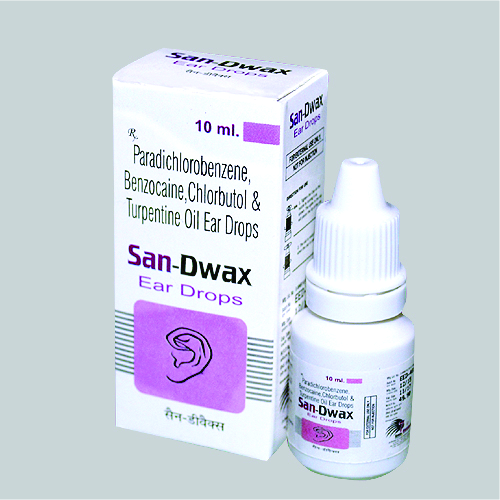
Paradichlorobenzene, Benzocaine, Chlorbutol, & Turpentine Oil Ear drops
BRAND NAME: SAN-DWAX
COMPOSITION: Paradichlorobenazene 2.0% w/v, Benzocaine 2.7% w.v, Chlorbutol 5.0% Turpentine oil 15%
PACKING: 10ml
Description
Paradichlorobenzene, Benzocaine, Chlorbutol, & Turpentine Oil Ear Drops belong to the category of otic agents used for the softening, dissolving, and easy removal of impacted earwax. Excessive and hardened earwax can cause discomfort, pain, reduced hearing, itching, or a blocked sensation in the ear. Conditions such as ear infections, narrow ear canals, eczema inside the ear, or bone deformities may increase the risk of wax accumulation. This medicated ear drop formulation helps soften tough earwax, lubricates the ear canal, and offers relief from associated pain and irritation. It is meant for external use only and should be used exactly as prescribed by a healthcare professional.
Mechanism of Action
This ear drop is a combination of four therapeutic agents, each playing a distinct role:
Paradichlorobenzene
Acts as an earwax softener. It dissolves hardened, impacted wax while providing mild antifungal and antibacterial action, ensuring a cleaner ear canal.
Benzocaine
A local anesthetic that numbs the affected area by blocking pain signals from reaching the brain. This provides quick relief from pain, discomfort, or irritation associated with wax impaction.
Chlorbutol
Works as a preservative with antiseptic properties. It prevents microbial growth inside the drops and ensures safety during use.
Turpentine Oil
Acts as a lubricant that soothes the ear canal, prevents dryness, and supports the easy expulsion of loosened wax.
Uses of Paradichlorobenzene, Benzocaine, Chlorbutol & Turpentine Oil Ear Drops
- Helps soften, dissolve, and remove impacted earwax
- Provides relief from ear pain caused by wax impaction
- Supports clear ear passages and improves hearing blockage symptoms
- Helps lubricate the ear canal and reduce irritation
Directions for Use
- Use the drops only as prescribed by your doctor.
- Tilt your head sideways and gently instill the advised number of drops.
- Do not insert the dropper tip deep into the ear.
- Keep your head tilted for a few minutes to allow the medicine to work.
- Do not rinse or use water in the ear after using the drops.
Children below 1 year of age should not use this medicine unless advised by a pediatric specialist
Side Effects
In most cases, this ear drop is well tolerated. However, some users may experience:
- Mild skin irritation
- Headache
- Insomnia
- Minor allergic reactions
- Temporary burning sensation
These symptoms usually resolve on their own. Seek medical help if side effects persist or become bothersome.
Precautions & Warnings
- Do not use if you have ear discharge, perforated eardrum, swelling, or severe ear pain without your doctor’s approval.
- Stop the medicine if irritation or redness worsens.
- Avoid touching the dropper tip to prevent contamination.
- Do not use the bottle 4 weeks after opening.
- Not recommended for infants under 1 year.
- Do not use cotton buds or hard objects to remove earwax.
- Consult your doctor if the wax does not come out even after treatment.
Storage Instructions
- Store in a cool, dry place away from sunlight.
- Keep the bottle tightly closed when not in use.
- Keep away from the reach of children.
Frequently Asked Questions
- What are Paradichlorobenzene, Benzocaine, Chlorbutol, & Turpentine Oil Ear Drops used for?
These ear drops are mainly used for softening and dissolving impacted earwax and providing relief from ear pain caused by wax buildup. - How do these ear drops work?
The drops contain four active components:
- Paradichlorobenzene softens and dissolves earwax.
- Benzocaine acts as a local anesthetic to relieve pain.
- Chlorbutol works as a preservative and has mild antiseptic action.
- Turpentine oil acts as a lubricant.
Together, they help loosen wax and reduce irritation.
- How should I use these ear drops correctly?
Use the drops exactly as prescribed. Tilt your head, gently instill the required drops, and avoid inserting the dropper tip deep into the ear. - How long does it take for the wax to soften?
Most people notice softening within 2–3 days, but the duration may vary depending on the severity of wax buildup. - Can I use these ear drops if I have an ear infection?
No. Do not use the drops in case of ear discharge, perforated eardrum, severe pain, or active infection unless your doctor approves. - Are there any side effects?
Mild side effects may include skin irritation, headache, insomnia, or allergic reactions. These are usually temporary. Seek medical help if symptoms persist. - Can I use these ear drops for infants?
No. These drops are not recommended for infants below 1 year of age. - What should I avoid while using these ear drops?
Avoid using earbuds, matchsticks, hairpins, or any objects to remove wax. Do not use the drops for longer than advised. - What should I do if the wax does not come out after using the drops?
Do not try to remove it forcefully. Consult your doctor for professional wax removal or ear syringing. - How should I store these ear drops?
Store the bottle in a cool, dry place, away from sunlight. Keep it tightly closed and do not use an opened bottle after 4 weeks.
Related products
-
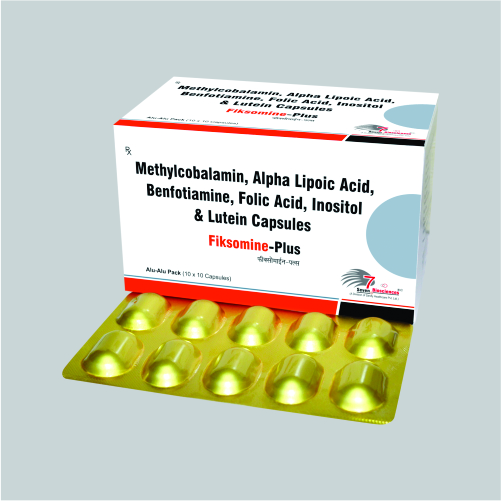
Mecobalamin 1500 mcg +Alpha Lipoic acid USP 100mg +Inositol 10mcg+ Folic Acid 1.5mg+Chromium 65 mcg+Calcium Pantothenate 25mg+Lutein 5mg +Vitamin B6 3mg+Benfotiamine 15 mg +Zinc 22.5mg
BRAND NAME: FIKSOMINE-PLUS
COMPOSITION: Mecobalamin 1500 mcg +Alpha Lipoic acid USP 100mg +Inositol 10mcg+ Folic Acid 1.5mg+Chromium 65 mcg+Calcium Pantothenate 25mg+Lutein 5mg +Vitamin B6 3mg+Benfotiamine 15 mg +Zinc 22.5mg
PACKING: 10×10 Alu alu Golden PVC
-
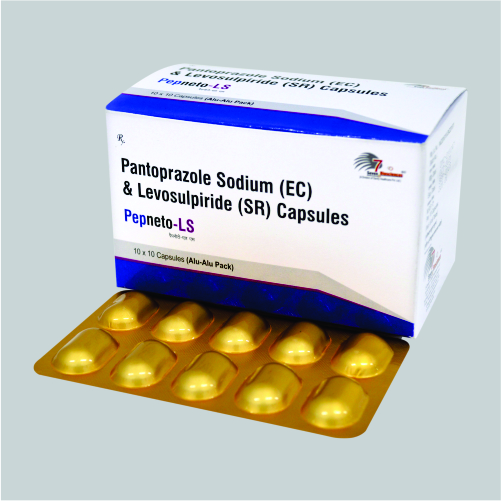
Pantoprazole 40mg+ Levosulpride 75mg
BRAND NAME: PEPNETO-LS
COMPOSITION: Pantoprazole 40mg+ Levosulpride 75mg
PACKING: Alu Alu 10×10 Golden PVC
-
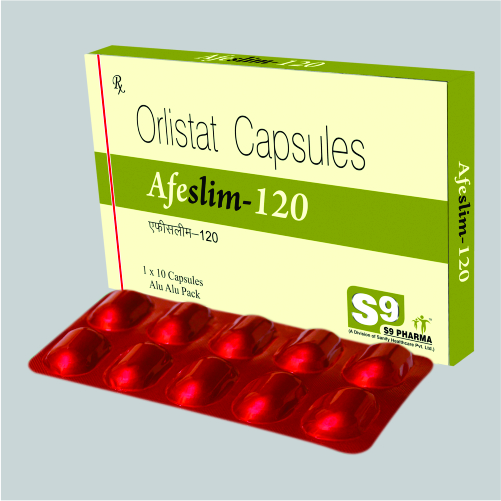
Orlistat 120mg Capsules
BRAND NAME: AFESLIM-120
COMPOSITION: Orlistat 120mg
PACKING: Alu Alu Red 1×10 Shrink Pack